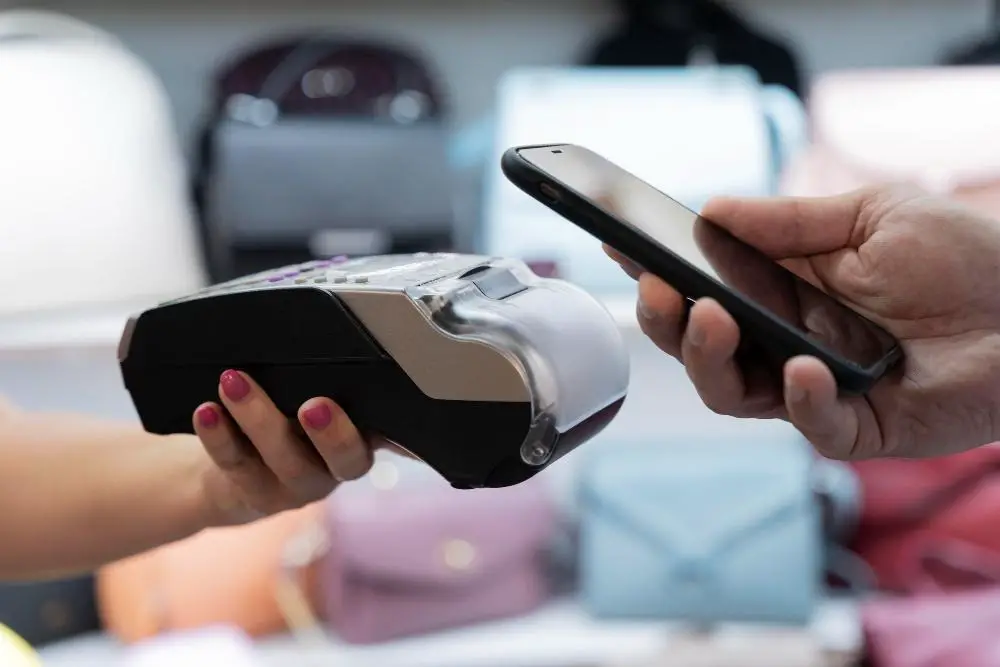

On a sunny morning on the Malecón of Mazatlán, a fish vendor holds up a sign that says: “Se acepta SPEI y QR.” A few seconds later, the sale is completed without exchanging coins or paper, and no wait is required. This is the new normal along the coast of Sinaloa. From shrimp stands to surf schools, businesses are quietly but steadily transitioning to the digital economy.
The Growth of Cashless Payments
Mexico’s digital shift didn’t happen overnight; it picked up speed from some unlikely corners. Long before taco stands and taxis went cashless, international gaming platforms were already running fast, frictionless transactions across borders. Those systems, built to handle instant crypto deposits, quick withdrawals, and multi-currency wallets, set the tone for what digital speed could look like.
Many of these platforms operate under the offshore casino licensing process. This framework allows them to manage global payments securely while meeting verification standards abroad. That same model proved how border-free digital transfers could work safely at scale. Over time, those lessons moved beyond gaming and into Mexico’s fintech ecosystem, influencing how banks, wallets, and small businesses built their own systems for everyday use.
Now, the same technology is being seen in the daily life of Sinaloa. From restaurants issuing QR codes for seafood to tour companies taking instant transfers, the habits that were developed through the Internet have become mainstream. Instead of using digital payments for leisure activities, people are now using digital payments to book rooms, buy groceries, and operate their businesses.
A Region Ready for Change
The return of cruise tourism, the rise of fintech apps, and Mexico’s national move towards digital banking have come together to make cashless commerce not just hip but useful. In 2024, Mazatlan received over 227,000 cruise passengers, a resurgence that contributed over 335 million pesos to the local economy. With thousands of transactions per day, small merchants very soon discovered that electronic payments were not only convenient but also necessary to keep pace with demand.
The real-time transfer system inside Mexico, SPEI, has changed the way money moves. The network processed more than 5 billion transfers last year, a sharp increase from pre-pandemic levels. For the first time, small-scale vendors have access to financial tools that were once reserved for large-scale retailers in big cities.
The Cashless Coast in Action
Walk down the street today, Avenida del Mar, and you will see QR codes taped to palm trees, food carts, and rental stands. Restaurants use instant transfer apps, taxi drivers accept contactless cards, and even artisans in Pino Suarez Market now send digital invoices through WhatsApp.
QR culture has exploded. Tourists from the U.S. and Canada expect to be able to scan and pay, and locals appreciate being able to avoid the search for small change. According to fintech data trackers in Mexico, the QR payments market exceeded $300 million USD in value in 2024, thanks to tourism and adoption in retail.
Whilst OXXO may have been quietly operating in the background, they have been a significant force in convenience retail. Their association with BBVA took tap-to-pay terminals into thousands of stores across the country. Finally, we introduced OXXO Pay, which allows customers to pay for online purchases with a simple barcode scan, even without a bank account, enabling them to pay remotely.
What It Is, How It Works, And Why It Matters
The beauty of the cashless leap in Mexico is its simplicity. With SPEI, money transfers are cleared almost instantaneously between banks with little or no fees. Transferring money to a local surf instructor takes just seconds for a visiting student. Payment to a supplier is made that same afternoon, no cash, no waiting, no card terminal.
The process has been made even simpler with the introduction of apps like Mercado Pago, Clip, and Nubank. Many small businesses now have QR codes that are linked directly to their wallet accounts. Even better, Nubank’s partnership with OXXO allows users to access more than 22,000 points of deposit nationwide, ensuring that digital cash can always move around the country, even in rural areas.
That accessibility has given Mazatlan’s business people a level playing field. Street food vendors, fishermen, and even independent tour guides now exist in the same digital payment environment as hotels and malls.
What Local Businesses Are Benefiting
Speed. Less cash handling leads to fewer lines and faster throughput. In high traffic areas such as beachfront taquerias or souvenir shops, that is a direct contribution to the bottom line.
Transparency. Accounts are easier to keep, taxes are simpler to file, and inventory planning is more straightforward when everything is digital. No more notebooks and calculators, business owners can monitor their daily profits from their phones.
Bigger sales. Frictionless payment leads to higher spending by tourists. Whether it’s paying for additional excursions or adding dessert after dinner, the flow of payments keeps the momentum going.
Still a Few Hurdles
The world is not yet a perfect place. Some coastal areas still have a poor signal, which means that vendors must carry a small amount of cash. And although Mexico’s government-sponsored CoDi platform was designed to standardize QR payments, many small businesses still go for private apps with a more straightforward onboarding process.
Old habits linger, too. Sinaloans may also prefer the tactile sensation of the peso or choose to use cash for budgeting purposes. The future, then, is not cashless, but cash-optional. Flexibility remains key.