
When camping, keeping perishable food fresh can be a challenge. From airtight containers to coolers and beyond, this guide has everything you need to know about food storage in the Great Outdoors.
Why Are Airtight Containers Important?
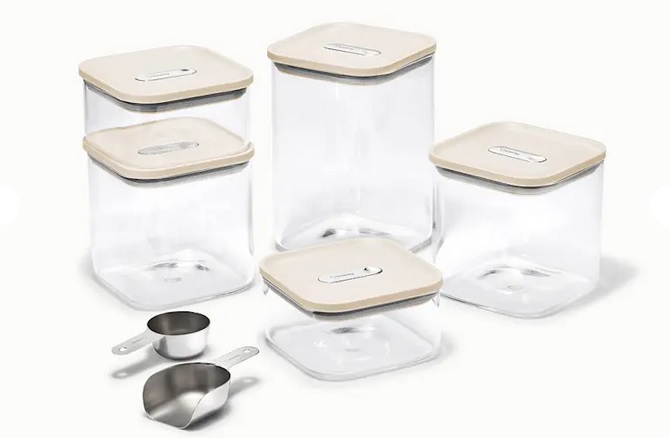
Airtight containers are an essential tool for ensuring that meats, fruits, and vegetables stay fresh for longer.
These containers seal out air, moisture, and contaminants, preventing spoilage and the growth of bacteria. Whether storing raw meats for grilling or keeping sliced vegetables crisp, airtight containers help maintain the quality of your food.
Additionally, using airtight containers can help prevent odors from escaping, keeping your campsite smelling fresh. For optimal results, it’s best to choose containers made of durable materials like plastic or glass that can withstand the outdoors.
Investing in a set of airtight containers can make a big difference in preserving your meals and reducing food waste during your camping trip. This article will share top options for storing your food while enjoying the great outdoors.
What Are Some Options for Keeping Food Cold?
Coolers are one of the most practical and effective ways to store food while camping, especially for items that need to stay cold. Several cooler options are available, from soft-sided coolers to heavy-duty, hard-sided models.
Soft coolers are lightweight and easy to carry, making them perfect for short trips, while hard-sided coolers provide more insulation and are better suited for longer expeditions. If you’re camping in hot weather, an electric cooler could be an excellent option for keeping your food chilled without worrying about ice melting too quickly.
Regardless of the cooler type, it’s important to pack it efficiently. Place ice packs or blocks at the bottom to keep the temperature consistent, and always separate raw meats from ready-to-eat foods to prevent contamination. For the best results, try to open the cooler as infrequently as possible to preserve its cool interior.
What Are Some Options for Dry Food Storage?
Dry foods like pasta, grains, trail mix, and snacks are staples on a camping trip, but keeping them safe from moisture, pests, and dirt is essential. Sealing dry food in moisture-proof bags, such as resealable plastic bags or vacuum-sealed pouches, can ensure these items remain fresh throughout your trip.
Vacuum-sealing is especially useful for maximizing space, as it removes excess air and reduces the risk of spoilage. When packing dry food, consider portioning meals into smaller bags, making them easier to grab and go. This also reduces the chance of opening a large bag and exposing the contents to the elements..
How To Use Insulated Bags for Temporary Food Storage
Insulated bags are a versatile and portable solution for keeping your food at an ideal temperature. These bags provide an additional layer of insulation, which helps maintain hot and cold temperatures for hours. While they’re not as effective as coolers for long-term food storage, they’re great for temporary storage or when you’re out and about during the day.
For example, if you’re packing for a picnic or want to keep your snacks fresh on a hike, insulated bags can keep food like sandwiches, drinks, and fruits cool for hours. Some bags are even designed with additional compartments to help you stay organized.
When selecting an insulated bag, look for one with a waterproof lining and durable zippers to keep food secure and prevent leakage. These bags are ideal for short-term storage and for carrying food when you’re on the move.
How To Keep Canned Goods and Non-Perishables Safe
Canned goods and non-perishable items are camping classics that require minimal storage maintenance. That said, they still need to be stored properly. To avoid the risk of rust or contamination, you should keep your canned goods dry and away from moisture.
Store them in a cool, dry place like a plastic bin or storage box to protect them from outdoor elements. Make sure to securely pack your cans to prevent them from getting dented or punctured, which could also lead to spoilage.
Non-perishables like packaged grains, nuts, and dried fruit should be stored in airtight containers or resealable bags to preserve freshness and prevent them from absorbing moisture. It’s also a good idea to organize your non-perishable items so that they’re easy to access during your trip, allowing you to grab meals or snacks without rummaging through your gear.
Can Food Storage Boxes Help?
For campers who prefer an organized and systematic approach to food storage, food storage boxes can be a game-changer. Clear plastic bins are especially useful, allowing you to see their contents without opening them. This can save time when you’re searching for ingredients or snacks.
Food Storage Made Easy
Proper food storage is required for a successful camping trip. Whether you’re using airtight containers, coolers, or insulated bags, ensuring your food stays fresh and safe will make your experience more enjoyable. With the right approach, you can focus on having fun, knowing your meals are well preserved.