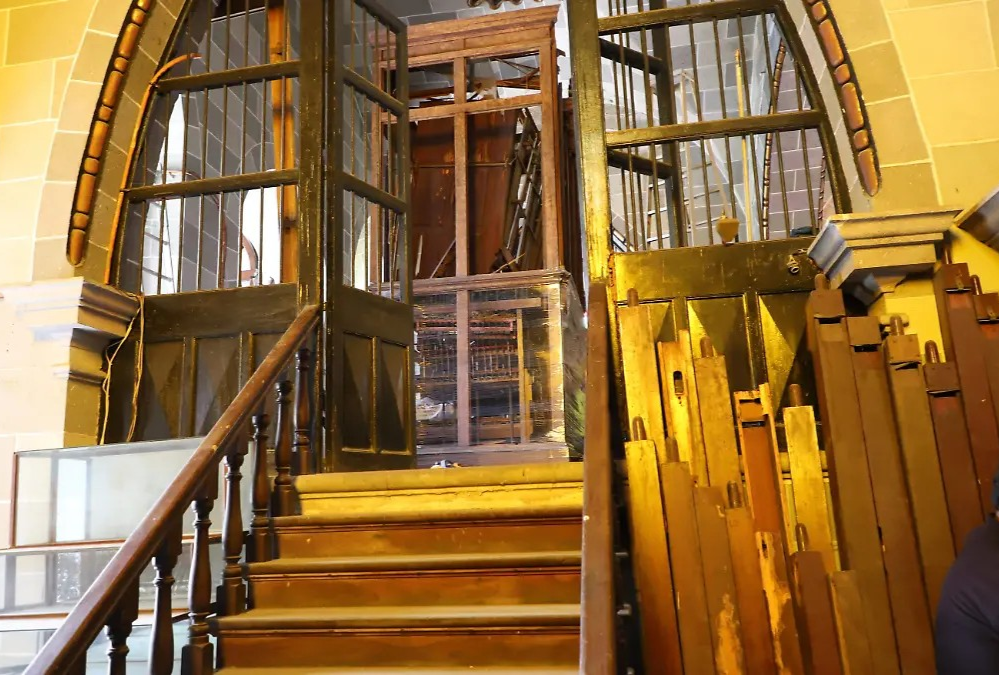

Since the 1990s, the imposing organ of the Mazatlán Cathedral has fallen silent after more than 100 years of continuous operation. Since then, the instrument, considered a “sleeping jewel,” has remained silent and forgotten.
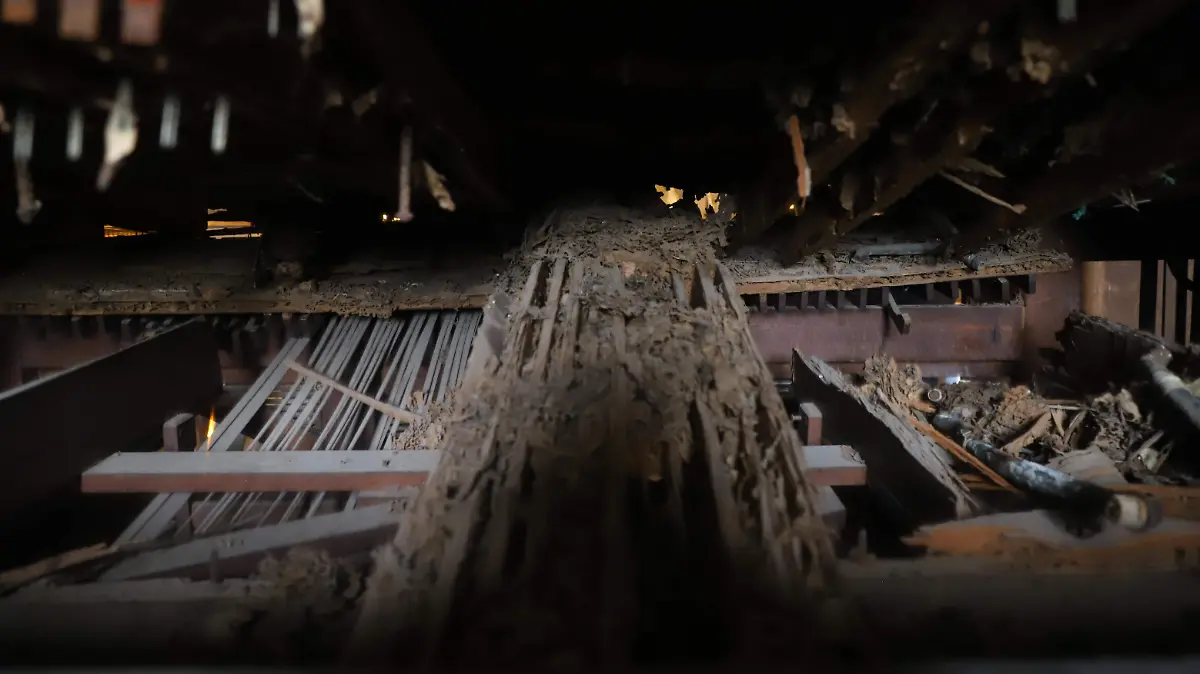
The damage this piece has suffered was caused by humidity, termites, and a series of incomplete interventions that have complicated its restoration, the latter due to a lack of parts.
The organ is considered one of the most unique of its kind in Mexico. It was inaugurated on May 7, 1899, and is part of Mazatlán’s protected historical heritage, but so far there is no viable project that can guarantee its complete restoration, according to Mazatlán’s official chronicler, Enrique Vega Ayala.
“Look, to begin with, it’s a monumental, pipe organ that arrived in Mazatlán around 1899. It premiered on May 7, 1899,” the chronicler states.
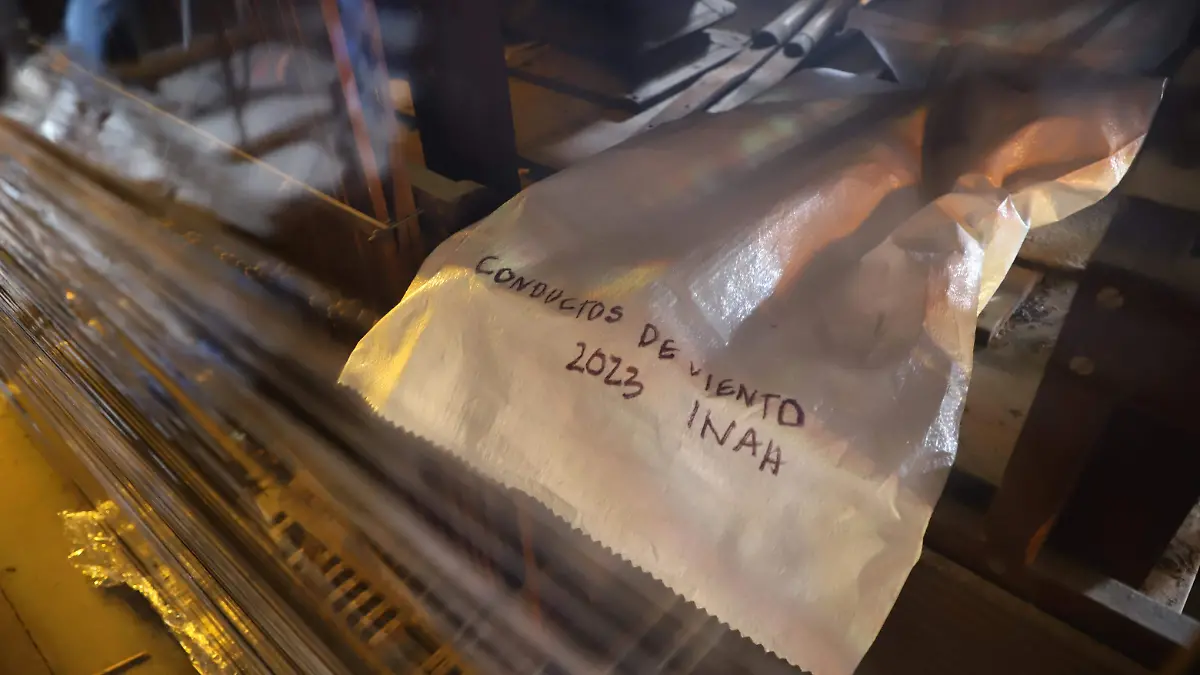
The instrument is highly significant according to historical records and the records of the National Institute of Anthropology and History (INAH).
According to Vega Ayala, the organ was built by the renowned French organ builder Aristide Cavaillé-Coll, one of the most influential figures in organ making during the 19th century.
No more than 200 of these organs were produced worldwide, and similar examples are found only in cities like Madrid, Bilbao, Paris, and Copenhagen.
“It functioned for approximately 100 years, but by then it had already undergone an initial restoration. While I don’t have the exact date of that restoration, I only know of it. And according to this record, organs by this same builder have been identified in Madrid, Copenhagen, Bilbao, and Paris,” he explains.
The instrument was acquired through contributions from prominent businessmen in Buenos Aires at the end of the 19th century, such as the Echeguren and García families, who also participated in the construction of the church.
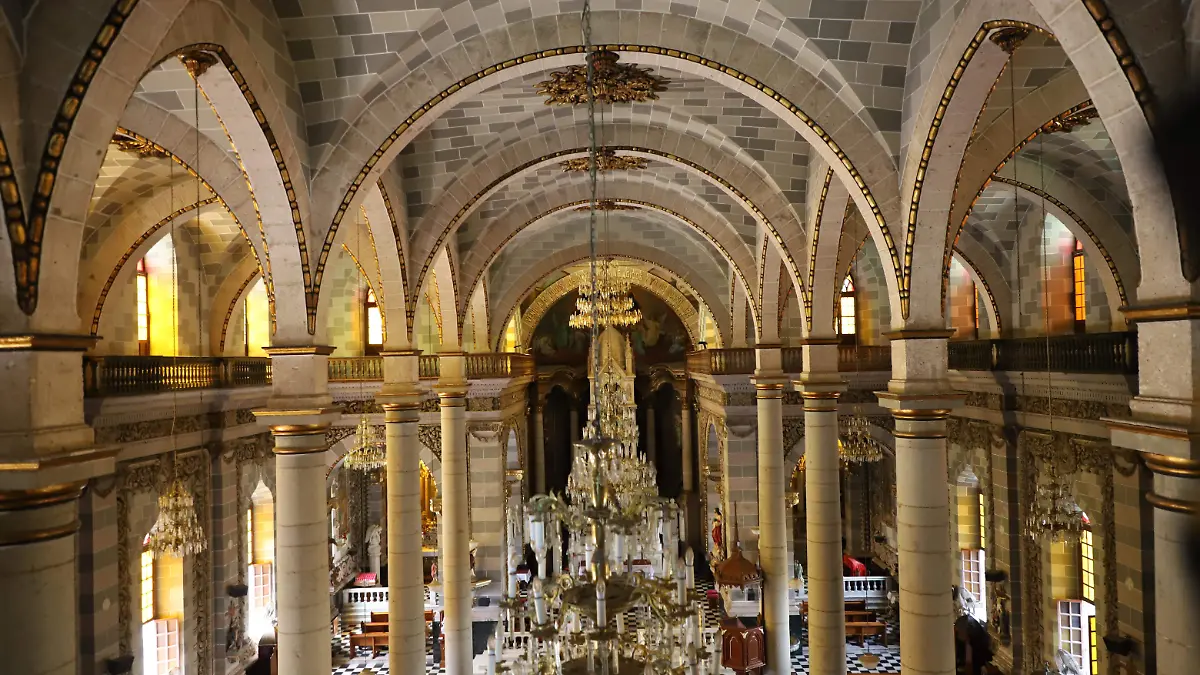
“From the Echeguren family. I understand they provided support, as did the García family, those from the Presidio mansion, who were a prominent Mazatlán business family. And surely, over the years, as intervention has been sought, others have also contributed,” the chronicler adds.
The deterioration of the monumental organ wasn’t immediate, but it did become irreversible over the years. According to the INAH (National Institute of Anthropology and History) records, this instrument stopped working in the early 1990s, after having been in operation for approximately a century, and during that same period, it had already undergone at least one restoration.
Before the instrument’s malfunctions became apparent, the organ began to show other signs of deterioration in the 1970s, when the first structural damage, caused by humidity and termites, was detected.
Following this, the first interventions were carried out, followed by other attempts in the 1990s and the 21st century.
The restoration attempts not only proved insufficient, but in some cases exacerbated the existing problem, as the interventions did not adhere to the original standards.
“When restoration attempts were first made, it was back in the 1990s, and perhaps there was another attempt a little earlier, but it’s not specified precisely. And then, after the 1990s, there have been several attempts, but in some of them, pieces that don’t correspond to the originals were replaced, and that diminishes the quality and the possibilities, because the pieces needed for restoration are no longer available,” says Vega.
Added to this is the loss of essential components, which necessitates considering reconstruction processes with materials of similar characteristics.
“The problem is that some pieces have already been lost; we would have to find the best possible replacements, with the same quality as the originals,” he adds.
This item is registered by the INAH as a “furniture with artistic and historical value”, which means that any type of intervention must have authorization and adhere to criteria
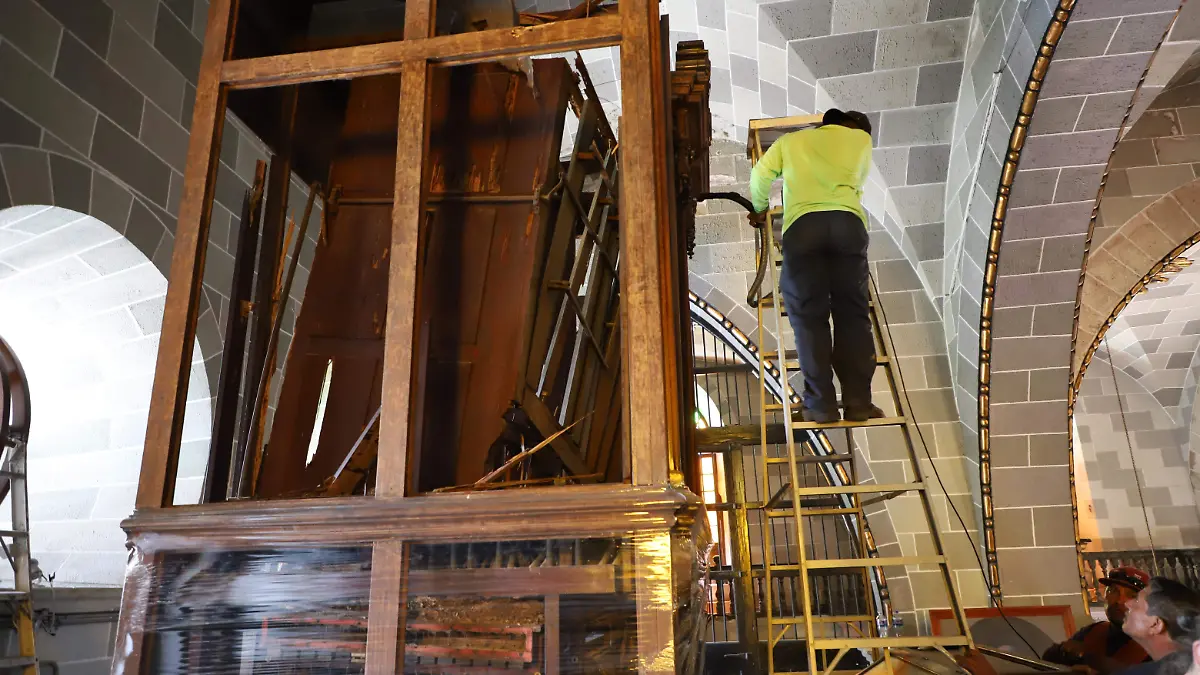
This property is registered by the INAH (National Institute of Anthropology and History) as a “movable asset with artistic and historical value,” meaning that any intervention must be authorized and adhere to criteria that preserve the heritage in question.
“Since the INAH became involved in matters concerning the historic center, starting in 2001 with the creation of the Historic Center, the INAH’s role has become more relevant, because it became part of the catalog of what exists as part of the Historic Center of Mazatlán. The church, the Cathedral, is an artistic and historical monument, protected by law and under the jurisdiction of the INAH. Of course, its interior elements cannot be modified or altered without the INAH’s authorization, due to these circumstances,” he adds.
Throughout the three decades that this organ has been inactive, local musicians and cultural promoters have spearheaded initiatives to restore it.
“Local musicians like Francisco Martínez Cabrera and other keyboardists and violinists, along with music teachers, spearheaded the restoration of the instrument in the 20th century, without success. Subsequent attempts have been made, including evaluations by the National Institute of Anthropology and History,” he points out.
It has also been mentioned that at one time there were citizen committees that tried to undertake restoration projects at the Cathedral, especially the organ; however, these efforts did not prosper due to the magnitude of the technical and economic problem.
“My understanding is that it was acquired with contributions from leading businessmen of the late 19th century, who collaborated on the construction of the temple, which is now our Cathedral-Basilica. Similarly, for the restoration, there have been attempts to form citizen committees to restore the Cathedral and, at the same time, the organ, but as far as I understand, the problem is now too serious. The experts have the final say, but attempts have been made,” he explains.
The last estimate for the repair cost was in 2015, when it was calculated at 8 million pesos. However, the passage of time and the worsening deterioration suggest a higher figure is expected now.
“The organ is badly damaged by humidity and termites, and this is due to what is later called neglect, the lack of care it has suffered for years,” he concludes.
Source: oem