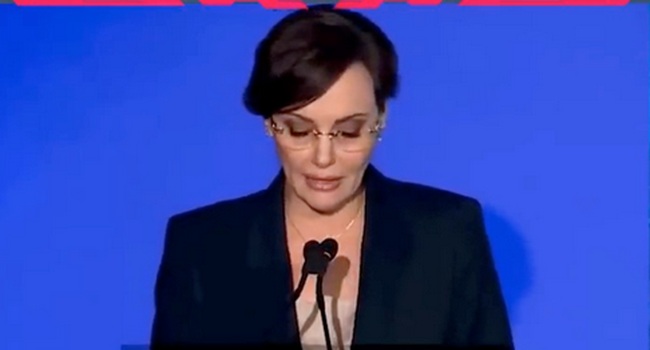

Mexican Senator Lili Téllez warned that the country faces what she called a “socialist mafiocracy” with deep ties to organized crime, during her speech at the Texas Policy Summit 2026. She urged U.S. authorities not to normalize relations with what she described as a regime intertwined with criminal networks.
Key Points from Téllez’s Speech
- Event: Texas Policy Summit 2026, attended by U.S. policy analysts and officials.
- Main Claim: Mexico is undergoing a regime transformation where political power, organized crime, and authoritarian practices converge.
- Impact on U.S.: She highlighted the fentanyl trade and cross-border criminal networks as evidence that Mexico’s crisis directly affects the United States.
Impresionante y valiente discurso de mi estimada @LillyTellez en #EstadosUnidos #USA #UnitedStates #America
Lilly Téllez me representa como mexicano. 🙏🏼🙌🏼🇲🇽#México #Democracia #Paz #Verdad #Libertad 🇲🇽🇲🇽🇲🇽
cc: @SecRubio @RepCarlos @RepMariaSalazar pic.twitter.com/Mb4raevtX9— Eduardo Urbano Merino (@LaloUrbanoM) April 9, 2026
Criticism of Mexican Government
- Morena Party: Téllez accused the ruling party of maintaining links with criminal groups, influencing elections through violence and territorial control.
- Security Strategy: She criticized President Claudia Sheinbaum’s approach to public security, arguing it has failed to confront organized crime effectively.
- International Pressure: She referenced the capture of cartel leader Nemesio Oseguera Cervantes (“El Mencho”), claiming it occurred due to U.S. pressure rather than Mexico’s internal will.
Broader Implications
- Political Climate: Téllez’s remarks reflect growing opposition concerns about the erosion of democratic institutions in Mexico.
- U.S.–Mexico Relations: Her call for Washington to reassess ties underscores the binational dimension of security and crime.
- Public Debate: The speech has fueled discussion about the extent of organized crime’s influence on Mexican politics and governance.
By framing Mexico’s situation as a “mafiocracy,” Téllez positioned her critique within a broader narrative of democratic decline and criminal infiltration, urging both domestic and international actors to confront the issue more decisively.
With information from Tribuna Campeche