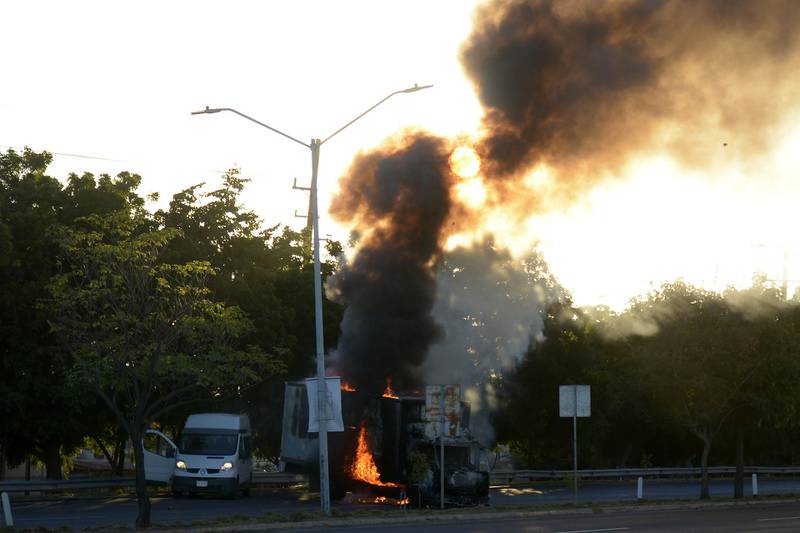

CULIACÁN, Mexico — Two years after an internal feud broke out between rival factions of the Sinaloa Cartel, the capital of Sinaloa is attempting to reclaim its nighttime economy and restore normal public life. Local business leaders and civil society groups are urging authorities to step up security measures so commercial establishments can safely extend operating hours beyond sunset.
Since internal turf wars intensified between the “Los Chapitos” and “Los Mayitos” factions, residents across Culiacán have adapted to an unspoken self-imposed curfew. Everyday activities—including shopping, social gatherings, administrative errands, and in-person schooling—have largely shifted to daylight hours. As night falls, streets empty out rapidly as residents seek refuge in their homes to avoid potential violence.
Business owners warn that the lack of night-time activity continues to severely impact the city’s commercial and service sectors. To revitalize the local economy, business associations are proposing a gradual expansion of operating hours for restaurants, venues, and retail shops. However, industry representatives emphasize that extended operating hours can only succeed if security forces maintain a visible and effective presence across commercial corridors during evening hours.
The human cost of the conflict remains severe. According to María Isabel Cruz, founder of the victims’ collective Sabuesos Guerreras, community tracking and family reports indicate that over 6,000 people have disappeared since the factional violence erupted. Judicial authorities officially acknowledge approximately 2,300 open cases, highlighting a persistent gap between official figures and citizen reports.
In response to the ongoing instability, civic organizations, the Employers’ Confederation of the Mexican Republic (Coparmex Sinaloa), and the Diocese of Culiacán are mobilizing peaceful public actions. Religious leaders and citizen collectives have organized a march for peace starting at the emblemic La Lomita sanctuary, aimed at demonstrating unity against violence and demanding safer conditions for the city’s residents.
As local authorities evaluate new security protocols to restore order, the residents of Culiacán face the complex challenge of rebuilding public trust, restarting evening commerce, and healing the social fractures left by two years of conflict.
Source: El Universal