
Minor injuries are a common part of everyday life. A small cut while cooking, a scraped knee during outdoor activity, or a mild sprain after a sudden movement can happen without warning. While these incidents may seem minor at first, proper care still plays an important role in preventing infection, reducing discomfort, and supporting faster healing.
Acting quickly and using the right approach helps protect the injured area and keeps the situation from becoming more serious. At the same time, understanding when an injury requires additional attention can help you avoid unnecessary worry while still prioritizing your health and safety.
Read on to learn your options for quick and proper care when treating minor injuries.
Choosing the Right Care Option
Selecting the appropriate place for care helps ensure an injury receives the attention it needs without unnecessary delays. The setting often depends on the injury’s severity, the level of medical evaluation required, and how quickly symptoms need attention.
For guidance on where to seek assistance, consider the following options:
Home care for small, stable injuries
Minor scrapes, light bruises, and mild swelling can often improve with rest and simple care measures at home. Cleaning the affected area, protecting it with basic dressings, and monitoring symptoms can support recovery while avoiding unnecessary visits to medical facilities. This approach works best when discomfort remains mild and mobility is not significantly limited.
Clinic or urgent care visit for moderate concerns
Some injuries benefit from evaluation by healthcare professionals, especially when the injury may require cleaning, bandaging, or further observation. Visiting an urgent care center allows trained staff to assess the situation and provide appropriate minor injury treatment without the longer wait times often associated with emergency rooms.
Families with young children may sometimes prefer a medical setting designed specifically for pediatric patients when an injury needs evaluation. In these cases, visiting a pediatric urgent care clinic can provide timely care for concerns such as small cuts, mild sprains, or minor burns. Medical staff in these clinics are trained to treat injuries while addressing the needs of younger patients.
Emergency services for severe or uncertain situations
Certain symptoms call for immediate attention. Severe pain, uncontrolled bleeding, or injuries that limit movement may require emergency treatment in emergency rooms where advanced equipment and medical teams are available. These facilities provide rapid evaluation and professional help when a condition appears serious or when the severity is unclear.
Understanding What Counts as a Minor Injury
Minor injuries typically affect the surface of the body or involve mild strain to muscles and soft tissues. They usually cause temporary discomfort but do not lead to major damage or long-term limitations. Recognizing these common situations can help you respond appropriately when they occur.
Below are several common examples of minor injuries people encounter in daily life:
Small cuts and scrapes
These injuries often occur during routine activities such as cooking, working with tools, or outdoor play. They usually affect the outer layer of skin and may produce light bleeding. With proper cleaning and protection, most small skin injuries begin healing within a short period without affecting normal movement.
Minor burns from brief heat contact
Minor burns can happen when skin briefly touches a hot pan, warm appliance, or heated surface. These burns often cause redness, mild swelling, or slight tenderness but remain limited to the upper skin layers. In most cases, the discomfort improves within a few days as the skin recovers.
Insect-related irritation or reactions
Outdoor activities can lead to bites and stings from insects such as mosquitoes, bees, or ants. These injuries may produce localized redness, itching, or mild swelling. Some individuals may also experience small allergic reactions, such as temporary irritation around the affected area.
Immediate First Aid Steps at Home
Prompt attention after an injury can help limit discomfort and support early recovery. Simple actions taken soon after an incident can reduce irritation, control bleeding, and protect the affected area.
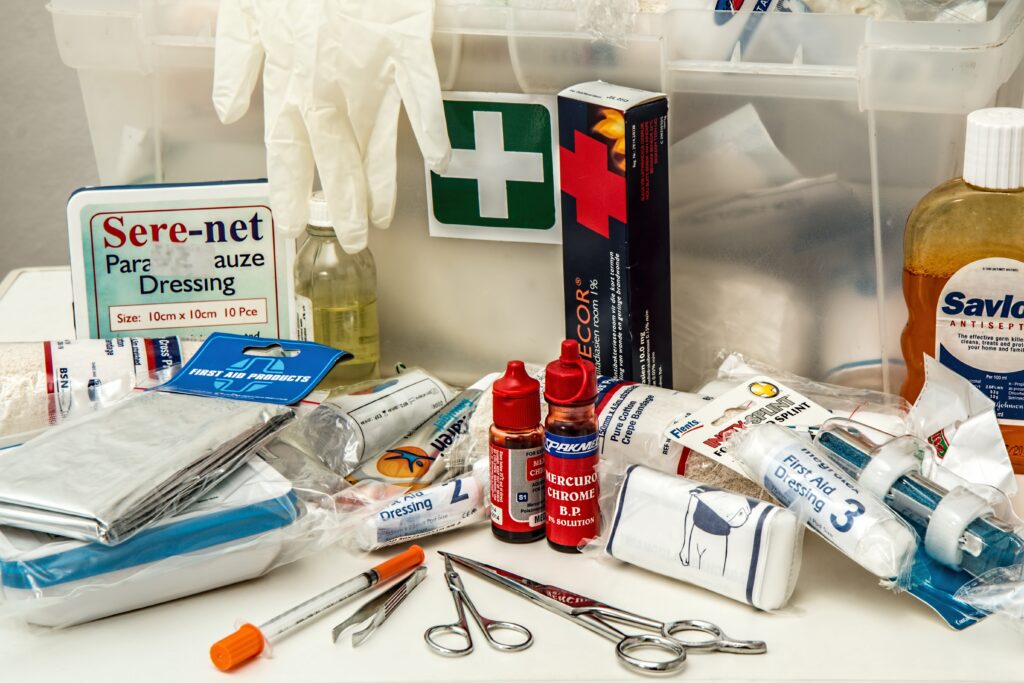
To provide effective first-aid treatment, the following steps can help manage many minor situations at home:
Cleaning the area carefully
Start by rinsing the injured skin with clean water to remove dirt, debris, or small particles. A gentle rinse using saline solution can also help flush the area without causing additional irritation. In some situations, a mild antiseptic solution may be applied afterward to reduce contamination. Some people use diluted hydrogen peroxide, though it should be used cautiously since frequent use may irritate healthy tissue.
Applying light pressure to control bleeding
When bleeding occurs, place a clean cloth or sterile pad over the area and press gently for several minutes. Steady pressure encourages the blood to clot and limits further loss. If the injury involves mild swelling near a joint or muscle, wrapping the area with a compression bandage can provide light support. This step is often included in the RICE method, which focuses on rest, compression, and cooling measures for soft tissue discomfort.
Reducing swelling or discomfort with cooling
Cooling the affected area can help limit swelling and relieve pain during the early stages of an injury. Placing a wrapped ice pack on the area for short intervals may provide relief while preventing direct contact with the skin. Alternatively, cold compresses can be used to gently cool the tissue and calm irritation.
Covering the injury with a protective dressing
Once the area is cleaned and bleeding has stopped, applying a clean bandage helps shield the skin from dirt and friction. A simple dressing keeps the wound protected while allowing the surrounding skin to remain clean and dry. Replacing the covering regularly helps maintain proper care as the area heals.
When Home Care is Enough
Many minor injuries improve with simple care and observation. When discomfort remains mild and daily movement stays mostly unaffected, recovery can often take place at home. In these situations, basic attention to cleanliness, protection, and rest supports the body’s natural healing process.
For instance, small cuts or surface scrapes often respond well to routine cleaning and protective covering. As long as the area remains stable and shows steady improvement over several days, continued home care may be appropriate. Minor bruising can also fade gradually without requiring outside treatment.
In addition, mild swelling or soreness may settle with rest and limited movement. When the affected area remains functional and discomfort does not intensify, allowing the body time to recover can be sufficient. Monitoring the condition helps ensure the injury continues to improve rather than worsen, while also helping you avoid injuries in the future.
When to Seek Medical Attention
Some injuries require medical evaluation when symptoms move beyond mild discomfort or expected healing patterns. Persistent bleeding, deep wounds, or injuries caused by sharp objects may require professional assessment to prevent complications. In these situations, trained medical staff can determine the extent of the injury and recommend proper treatment.
Moreover, increasing pain or swelling after the first day may signal that the body is reacting to deeper tissue damage. When swelling spreads or discomfort becomes harder to manage, further examination may help identify underlying issues. Early evaluation can reduce the risk of longer recovery or secondary problems.
Another concern involves visible changes around the injured area. Redness that continues to expand, warmth in the skin, or fluid discharge can suggest the early stages of infection. Medical attention allows the condition to be examined before it progresses.
Likewise, difficulty moving a joint or placing weight on an injured limb may indicate a strain that requires closer observation. Reduced mobility sometimes points to ligament stress or structural irritation within the joint. A clinical assessment helps determine whether support, imaging, or additional care is necessary.
Final Thoughts
Managing minor injuries effectively depends on quick response, basic care, and clear judgment about severity. Most small injuries improve with simple treatment at home, but recognizing warning signs ensures you do not overlook conditions that need professional attention. With a clear understanding of your options, you can respond more confidently and support proper recovery from the start.