
Digital entertainment has become North America’s most flexible industry, changing quickly when audiences want something new. While traditional entertainment companies need physical buildings and expensive equipment, digital platforms can switch things up in days or weeks rather than years.
This became clear during recent economic troubles. Streaming services rolled out new pricing options overnight, gaming platforms added social features based on user feedback, and online entertainment companies expanded what they offered. Meanwhile, movie theaters and concert venues struggled with capacity limits and operational closures.
The technology behind digital entertainment makes constant change possible. Computer programs track what people watch, play, and enjoy, then use that information to suggest new content. Traditional media companies used to spend years gathering this kind of data through expensive focus groups and TV ratings. Now it happens automatically, every second of every day.
Gaming shows this flexibility best. The industry moved from selling physical discs in stores to digital downloads, from solo games to massive online worlds, and from $60 games to free ones that make money through in-game purchases. Online gaming has become a social space where millions of people connect globally. Players looking to improve their skills can visit the official site of strategy platforms that teach everything from competitive gaming tactics to online casino games, reflecting how educational resources have grown alongside entertainment options. These platforms adapt their teaching methods based on what helps players succeed.
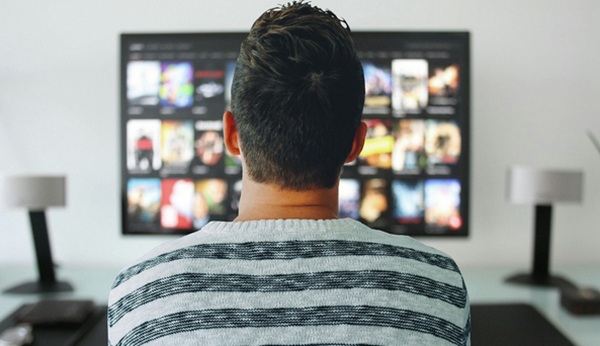
Streaming services work the same way. It has been reported that 91% of US households subscribe to at least one streaming service. They spend on average 109 dollars a month. When subscribers get bored with one approach, companies quickly try something else, whether that’s adding ads for cheaper subscriptions or bundling multiple services together for better value.
Money matters too. Digital companies don’t pay for theaters, stores, or shipping trucks. They can try new ideas cheaply, grow the ones that work, and immediately drop the ones that don’t. A streaming service can test a new show format with just a few episodes. A gaming company can release a beta version to see if players actually like it before investing millions more.
Phones changed everything again. Most people now watch videos, play games, and browse content on their smartphones during every spare moment. Entertainment companies redesigned everything for small screens and short attention spans. You can watch a show during your commute or play a quick game on lunch break.
Regular people can now create entertainment, too. Anyone with a phone can make videos, stream games, or produce podcasts. They don’t need Hollywood connections or recording studio budgets. This creates endless new content as creators experiment with different ideas to see what audiences enjoy. The most successful creators earn millions while working from their bedrooms.
Artificial intelligence is the next big change coming fast. AI doesn’t just recommend what to watch next; it’s starting to create custom content for each viewer. Some games already use AI to generate unique storylines for each player. Interactive shows let viewers choose what happens next, creating personalized experiences.
Digital entertainment’s big advantage is speed. Traditional media companies need months or years to change direction. Digital platforms can pivot in weeks. This flexibility means digital entertainment will keep growing and adapting across North America, no matter what comes next.