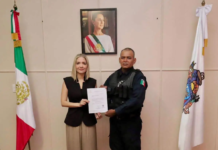

In Sinaloa, last weekend we received one of those news stories that sound very serious in the bulletin, but when you scratch the surface, it turns out to be pure air. It turns out that federal authorities and the Ministry of National Security (Sedena) announced with great fanfare that now, state police will receive military training. It sounds like a guarantee of discipline, strategy, and rigor. The problem, because there’s always a problem, is that no one knows who will train the police. Unipol doesn’t know, nor does the State Security Secretariat, and the Ministry of National Security itself doesn’t have an open call for applications. In other words, we have the promise, but not the instructions. The announcement was received with the usual seriousness: officials saying that a new era for security is coming, that the training will raise the level of the police forces, that now there will be citizen trust… but when you ask, “Who teaches the classes?”, suddenly no one knows how to answer. This was one of the many announcements and news brought by Omar García Harfuch’s visit to Sinaloa; now all that’s left is for the proposal to be finalized.
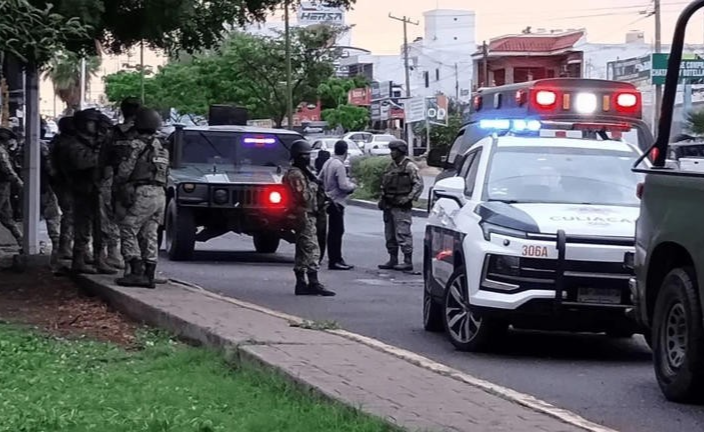
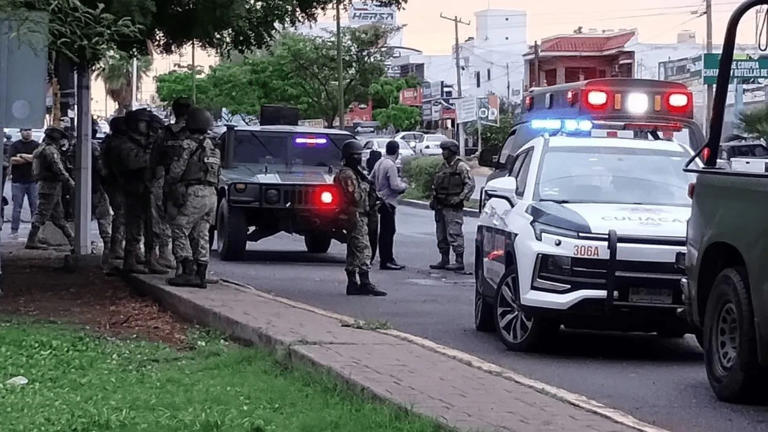
In Culiacán, some issues tend to be trendy and others emerge out of necessity, such as animal abuse, which is increasingly gaining ground on the public agenda. We don’t know if it’s because everything is now recorded and broadcast in seconds, or because cases have simply increased. The truth is that the outrage is repeated again and again, and this time it was the Sedena (National Police) that bore the brunt of the outrage. The story is painful: a military truck failed to stop and ended up running over Muñeca, a dog who, like many animals in this city, surely represented companionship, affection, and family to someone. The incident generated widespread anger, not only because of the outcome, but because of what it symbolizes: the coldness of an institution that, in theory, is there to protect us, but in practice, was unable to stop the metal mass from crushing a defenseless living being. Just in recent weeks, we’ve seen an increase in complaints against abusers, marches calling for more protective laws, and citizen petitions for authorities to take the issue seriously. However, when the Army is the protagonist in a tragedy of this kind, anger escalates immediately.
August is often presumed to be the rainy month in Sinaloa, that period when nature takes pity on the fields and dams receive a boost to ensure water for the rest of the year. But this year, the sky seems to be on strike, or simply very distracted. Conagua (National Water Commission) expected an increase in storage, but just days before the end of the month, the expectation of the watersheds being filled with the typical downpours fell short. The countryside is feeling the effects, farmers are on alert, and ordinary citizens are beginning to wonder if there will be enough water to make it through the year. The irony is that we’re talking about the “wettest month of the year.” The title sounds good, but reality contradicts it. The rainy season seems to have become the season of leaks: it’s raining in some places, yes, but not to the extent the dams need to breathe easy.
Source: msn