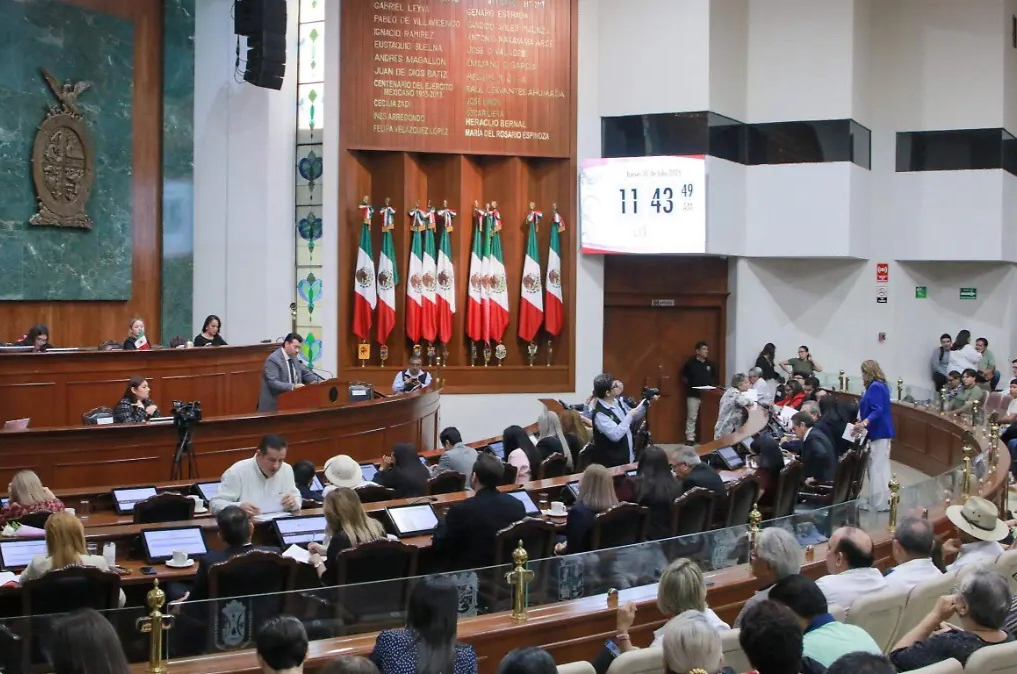

With the goal of curbing the rise in teenage pregnancy and recognizing it as a public health problem, the Sinaloa State Congress approved a comprehensive reform to the state Health Law, which establishes a new legal framework focused on prevention, sexual education, and specialized care for young people.
The initiative, promoted by the Legislative Branch’s Health Commission, contemplates the addition of Chapter IV Bis, entitled “On the Prevention of Teenage Pregnancy,” to Title Five of the Law, as well as the modification of articles 88 to 92, creating a regulatory framework with a comprehensive, rights-based approach.
Among the key aspects of the reform is that family planning is now defined as a priority service to prevent teenage pregnancy, reduce reproductive risks, and promote the comprehensive development of Sinaloa’s youth. To this end, it establishes the obligation of state health authorities to design ongoing sexual education and reproductive health campaigns.
These campaigns must be aimed at providing accurate and accessible information about appropriate contraceptive methods for adolescents, through mass media and with age-appropriate content.
The reform also guarantees adolescents’ right to receive effective, timely, responsible, informed, and confidential sexual and reproductive health care. It also recognizes their right to make decisions that favor their continued schooling, employment opportunities, and personal development.
It also contemplates the creation of a Support Network led by the Ministry of Health, which will coordinate the efforts of government agencies, educational institutions, private organizations, and civil society organizations to prevent teenage pregnancy from various fronts.
The law establishes that health personnel who care for adolescents must be specifically trained in early pregnancy prevention and sexual education, and that both public and private hospitals must have operating hours adapted to this age group.
Finally, the reform guarantees free and confidential access to contraceptive methods in health centers, along with guidance on their proper use, the risks of starting sexual relations at an early age, and the consequences of unplanned pregnancies.

Source: oem